
Your Brand Has
a New Audience.
It Isn’t Human.
Everyone’s talking AI.
Almost no one is building for it.
Walk into any marketing meeting or stroll down the Croisette at Cannes as my partners recently did, and you’ll hear the same conversation: how do we use AI to work faster, produce more, personalize better?
Fair enough.
That opportunity is real, and so is the promise of richer AI-powered conversations with customers. If you’re excited about both, you should be.
Here’s the hard part:
Managing your brand better with AI is necessary — but it’s nowhere near sufficient.
Every one of your competitors is running the same playbook, buying the same tools, chasing the same efficiencies. And when everyone gets faster, nobody gets ahead.
The deeper shift isn’t about building your brand strategy with AI. It’s about building it for AI.
To get there, you need to do two things:
- Make your brand agent-friendly.
- Make your brand agent-proof.
Marketers are facing a new reality: the loss of control
Marketing used to mean careful strategy and creative direction, with full command of your output and your channels. You wrote the message, you picked the media, you shaped the impression.
That’s pretty much over.
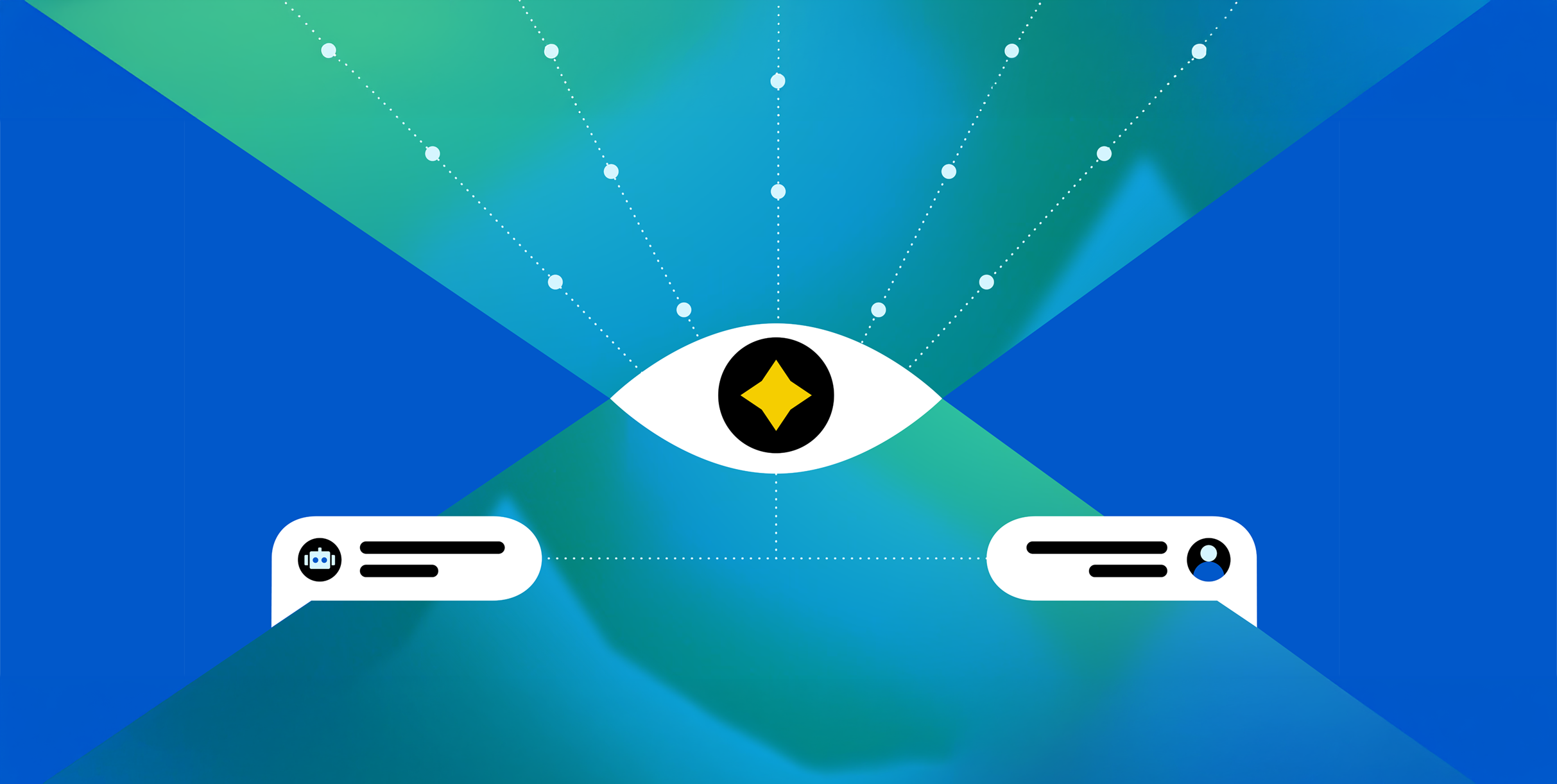
Today, brands are built through proxy: word-of-mouth in private chats, influencers on social feeds, and — increasingly — agents inside AI systems, quietly deciding what to recommend when someone asks, “What should I buy?”
Think about what that means.
When your customer asks an AI agent for the best running shoe, the best bank, the best CRM software, that agent is composing your brand story for you from whatever it can find online.
You’re not in the room. You don’t get final approval. The question isn’t if this is happening. It’s already happening. 70-80% of B2B purchase decisions are made in conversations you can’t see or track.1 On the B2C side, more than 50% of consumers report using AI to make purchase decisions.2
The question is if you’re giving the agent the right material to work with (spoiler alert: AI doesn’t care about your ads).
So the reframe is this: everybody will use AI to power their marketing strategy. The leaders will use their marketing strategy to win recommendations from AI.
Done right, AI agents will represent you the way you would if you were in the room.
The key ingredient: knowing your story and doing it
To build a brand that is both agent-friendly and agent-proof, you need to know exactly who you are and act on it, consistently.
As folks who know co: are aware, we call this Storydoing – making sure that you have a consistent story and that all of your actions align with that story. This has always been an important part of building a trusted and resilient brand, but the agentic era is raising the stakes dramatically.
Building an agent-friendly brand
Building an agent-friendly brand means designing your brand in a way that makes it easy for agents to recommend you.
To do that, you need to do things that agents notice and understand. Agents aren’t reading your marketing. They’re reading your customer reviews and reputable press coverage; the residue of real experiences. They’re reading Glassdoor for your team’s perspective. They’re reading your patent applications and whitepapers to see if you’re doing the things you say you are.
Think of it as a bank shot: you create the signals that AI can read by taking actions that result in spontaneous reactions from people.
That starts by getting clear on your purpose. Who are you? What do you stand for, and why? This is the engine of your brand. It needs to drive every major decision you make as a business – the products you make, the services you provide, in some cases, your business model.
Wrap that core in actions that are aligned with your story (if you’re a wellness brand, stop selling cigarettes, if you’re an outdoor adventure company, sue the government for selling off public lands). Then, and only then, create communication that is clear, consistent, and aligned with your story – and agents will give you the thumbs up.
As with anything related to your business and your brand, this is a real-time process that’s never really done. You need to track what works and what doesn’t so you can improve over time. That means integrating a system of metrics that monitors and reports on your performance.
How are agents representing you across AI systems today? Is your brand being perceived consistently and fairly, or are there gaps? Is your messaging consistent and aligned? Are your employees and culture set up to reflect and reinforce your story, or do you have internal stakeholder management that needs to be done? Address these, then repeat.
To recap:
- Get clear on your story and drive alignment around it internally.
- Bring it to life through experiences that light up your people (do your story, inside and out).
- Double-down by getting consistent on what you say and how you say it.
- Track it all to measure what works and improve what doesn’t.
Building an agent-proof brand
If getting agent-friendly is about getting agents to recommend you, then agent-proofing is about continuing to build direct human relationships with your customers that AI agents can’t disrupt.
In the AI-powered future, people are still people. We think with both our heads and our hearts. To win in that future, you have to build personal experiences that speak directly to the heart of your customer, driving a deeper sense of loyalty and ideally, participation.
These experiences will vary by industry – there are different needs for retail vs manufacturing, for example. But there are a few core things that drive resonance, no matter what: delivering exceptional customer service that delights your customers at every turn. Creating memorable physical experiences that connect with your customers across retail, events, and other cultural activations. Underpinning it all with a product that your customers can count on, come what may.
Build these experiences, and you build an emotional connection with your customers that transcends anything they hear in AI conversations. Better yet, you gather a repository of first-party customer data – insights on their needs, desires, and preferences – that none of your competitors have access to.
This is your goldmine.
It gives you the insights you need to reinforce your customer relationships, fine-tuning them based on what you learn in real time. Gather enough of those insights, and they become the inputs you need to build proprietary AI systems that service your customers better than a generic agent ever could – because it’s been trained on their data and knows them better than any external system possibly could.
These are the steps to building human relationships so deeply-embedded that they’re impossible for agents to disrupt.
To recap:
- Inspire people to join you at an emotional level through experiences that feel deeply personal to them.
- Reinforce those relationships through first-party data gathered from those experiences, giving you the insights and inputs to strengthen them over time.
Coming up next
Over the coming weeks, we’ll unpack what storydoing looks like in the AI era – and what it actually takes to build a brand that’s agent-friendly and agent-proof.
How can you:
- Get clear on your story and drive alignment?
- Bring it to life through experiences that light up your people?
- Double-down by getting consistent on what you say and how you say it?
- Track it all to measure what works and improve what doesn’t?
- Inspire people to join you at an emotional level that transcends agentic conversations?
- Reinforce those relationships through first-party data, insights, and systems exclusive to you?
The brands that thrive won’t be the ones that integrate AI into their existing marketing playbook. They’ll be the ones rebuilding their playbook for a world where AI is watching, listening, and reacting.
Stay tuned.
For insights on marketing in the age of AI, subscribe to our newsletter.
For real-time updates, follow us on LinkedIn.
REFERENCES
1Senior, S. (2026, April 16). How Buyers Now Decide Before Talking to Sales [Podcast episode]. GTMnow, Ep. 186.
2Bailyn, E. (2025, October 23). What Percentage of People Use AI to Make Purchasing Decisions? First Page Sage, SEO Blog.